
Rescue and Release Stories of South Louisiana Birds
A strip of nylon can turn a wild bird’s normal day into a fight for survival. So can a closed vehicle, a window strike, or a few hours without food.
Two recent rescues show what makes wildlife rehabilitation work: alert finders, clear instructions, careful handling, and a safe place for injured birds to recover.
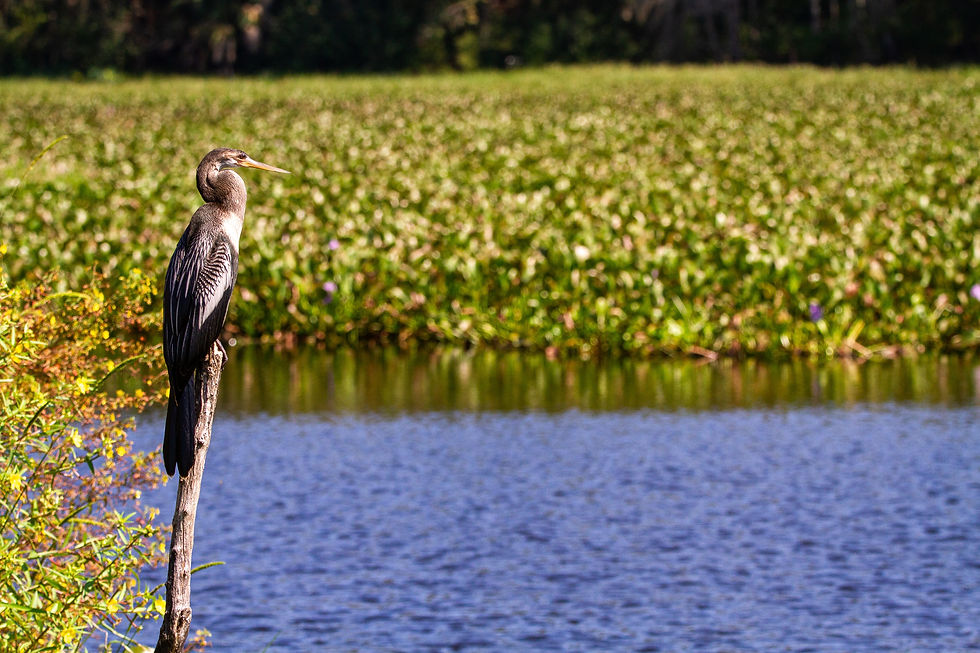
The Anhinga with the nylon strap
Anhingas are built for fishing. They spear or grab fish with a long, straight beak. They swim low in the water, often with only the neck and head showing. After diving, they perch with wings spread to dry.

That beak is one of their best tools. It also makes entanglement dangerous.
In this rescue, an Anhinga had a nylon strap stuck in its beak. The bird could not act normally. Finders noticed the struggle and did the right thing. They didn’t ignore it. They also didn’t rush in without a plan.
That matters.
A frightened Anhinga can defend itself with its beak. It can hurt a person, and a person can easily injure the bird while trying to help. Safe capture takes calm movement, the right equipment, and clear direction.
The finders contacted For The Birds of Acadiana and followed detailed instructions. They watched the bird, kept track of its location, and helped set up a safe capture. That patience gave the bird a real chance.
Once contained, the finders transported the Anhinga to For The Birds of Acadiana where it could be examined. The nylon strap was removed from the beak. That step had to be done carefully to avoid causing more damage. Entanglement can cut tissue, block normal feeding, or create swelling and infection risk.

After the strap came off, the bird received supportive care. Supportive care can include rest, hydration, warmth when needed, observation, and time to make sure the bird can stand, move, preen, and behave normally again.
The best ending came after that care: release.
The Anhinga went back to the wild, where it belonged.
This is the kind of rescue that looks simple only after it’s over. In real time, it takes a chain of good decisions. Someone noticed. Someone asked for help. Someone followed instructions. A rehabilitation facility had the skill and setup to finish the job. Watch the release video.
Why Anhingas matter in South Louisiana
Anhingas fit South Louisiana water like they were made for it, because they were. They live around swamps, marsh edges, bayous, ponds, lakes, and slow-moving waterways. They’re often called “snakebirds” because of the way their long necks rise from the water while the rest of the body stays submerged.
They eat mostly fish, along with other small aquatic animals when available. Their feathers are less waterproof than those of ducks, which helps them dive well. It also explains the classic Anhinga pose: perched in the sun with wings open.
In South Louisiana, Anhingas share habitat with herons, egrets, ibises, pelicans, cormorants, kingfishers, and many other water birds. That rich bird life depends on healthy wetlands and clean waterways.
It also faces human-made hazards.
Common dangers include:
Fishing line and hooks
Plastic rings, netting, and straps
Vehicle strikes near canals and roads
Oil, fuel, or chemical contamination
Disturbance near nesting areas
A nylon strap may look harmless on the ground. In the water or near feeding areas, it becomes a trap. Birds can get it wrapped around the bill, neck, legs, or wings. Once that happens, every normal movement can make the injury worse.

That’s why litter control is wildlife care. Cutting loops before disposal, picking up fishing line, and securing loose straps can prevent real suffering.
The Ruby-throated Hummingbird found inside a vehicle

The second rescue involved a much smaller bird with a very different problem.
A Ruby-throated Hummingbird was found inside a vehicle. It was weak and tattered. No one knew exactly how long it had been trapped or how it got inside.
That uncertainty is common in wildlife rescue.
A hummingbird can enter a garage, porch, warehouse, or vehicle while following light, reflections, flowers, feeders, or insects. Once inside, it may fly upward toward windows and keep missing the exit. These birds burn energy fast. A trapped hummingbird can weaken quickly.
This bird needed help right away.
Ruby-throated Hummingbirds are tiny, but their care is not simple. They need the right temperature, careful feeding, low stress, and close monitoring. A well-meaning person can cause harm with the wrong food, improper handling, or delays.
The hummingbird was transferred for rehabilitation. Its condition told the story of a hard experience: weak body, worn feathers, and stress from confinement. The goal was clear. Stabilize the bird. Let it regain strength. Make sure it could fly well enough to survive.

With care, the bird recovered.
When ready, it was released at City Park in New Orleans alongside other rehabilitated hummingbirds. That kind of release is more than a feel-good moment. It means the birds had reached the point where they could return to normal life: feeding, flying, hiding from danger, and continuing migration or local movement based on the season.
For a bird that came in weak and worn down, release is the best possible outcome. Watch the release video.
Ruby-throated Hummingbirds in South Louisiana
Ruby-throated Hummingbirds are the hummingbirds most people in Louisiana know best. Adult males have the red throat that gives the species its name, though the throat can look dark until light hits it. Females and young birds lack that bright red patch.
They are small, fast, and easy to underestimate.
These birds feed on flower nectar, tiny insects, and spiders. The insects matter. Hummingbirds need protein, not just sugar. Native plants, pesticide-free yards, and safe feeders can all support them.

South Louisiana plays an important role for hummingbirds. The region offers warm habitat, flowering plants, wooded edges, gardens, and migration stopover spots. During migration, Ruby-throated Hummingbirds may cross the Gulf of Mexico, a demanding flight for such a small bird. Before and after that journey, safe resting and feeding areas matter.
People often find hummingbirds in trouble after:
Window strikes
Cat attacks
Exhaustion during migration
Entrapment in buildings or vehicles
Sticky spills or residue
Storms that limit feeding
What to do if you find an injured bird
First, pause. A quick rescue can help, but a rushed rescue can injure the bird or the person trying to help.
Most native birds are federally protected under the Migratory Bird Treaty Act. That includes many common backyard and wetland birds. The law limits possession, transport, and care without proper authorization. Wildlife rehabilitators have the permits and training to treat these birds.
That doesn’t mean you should walk away from an injured bird. It means you should get the right help fast.
If the bird is injured, trapped, entangled, stunned, or unable to fly, contact a licensed wildlife rehabilitator. Facilities like For The Birds of Acadiana exist for this exact reason. They can tell you what to do, what not to do, and whether the bird needs transport.
Here are practical steps that apply in many bird emergencies.
Keep yourself safe first
Birds don’t know you’re helping. They see a threat. Larger birds can strike with sharp beaks, talons, or wings. Water birds such as Anhingas, herons, and egrets can aim for the face and eyes.
Give the bird space. Keep children and pets away. If the bird is in a road or parking area, watch traffic before doing anything.
If a rehabber gives capture instructions, follow them closely.
Call before handling when possible
A photo or short video can help a rehabilitator understand the problem. Share the location, species if known, and what the bird is doing.
Helpful details include:
Whether the bird can stand
Whether it can fly
Whether there is visible blood
Whether it is tangled in line, netting, or plastic
Whether a cat or dog had contact with it
Whether it hit a window or vehicle
How long it has been in trouble
Don’t wait all day for a bird that is clearly suffering. Call and leave a message if needed, then follow the facility’s posted instructions.
Contain the bird only if it can be done safely
For many small birds, a ventilated cardboard box works well for short-term containment. Line it with a clean towel or paper towel. Keep it dark, quiet, and warm. Darkness lowers stress.
Do not use a wire cage. Feathers can get damaged. Beaks and wings can get caught.
For larger birds, entangled birds, or water birds with sharp bills, get instructions first. The Anhinga rescue worked because the finders followed detailed guidance. That is the model.
Don’t give food, water, or medicine unless told
This part surprises many people. Feeding the wrong thing can harm an injured bird. Water placed in the mouth can be aspirated into the lungs. Human medications can kill wildlife.
Hummingbirds are a special case because they need energy often, but even then, call a rehabilitator for instructions. White sugar water may be used in some temporary hummingbird situations, but the amount, timing, and method matter.
Never give honey, artificial sweeteners, red dye, sports drinks, or milk.
Move the bird to a quiet place
Stress uses energy. Noise, handling, bright light, and constant checking can make things worse.
Once the bird is contained, place the box in a calm indoor area away from pets. Don’t keep opening it. Don’t let people gather around to look.
Then arrange transport with a permitted rehabilitator as soon as possible.
If the bird is tangled, don’t cut blindly
Fishing line, netting, straps, and string can wrap in ways that are hard to see. Cutting one part may tighten another. Pulling can tear skin or damage a wing, leg, tongue, or beak.
If the bird is still free-moving but dragging line, call for help and keep eyes on it from a distance. If it is trapped and at risk of drowning, overheating, or predation, explain that when you call. A rehabber may give urgent instructions.
Finders are part of the rescue team
Wildlife rehabilitation facilities do a lot, but they can’t be everywhere. Finders are often the first link in the chain.
The Anhinga survived because people saw the nylon strap problem and stayed engaged long enough to help with capture. The Ruby-throated Hummingbird survived because someone recognized that a weak bird inside a vehicle needed more than an open door.
Those choices matter.
For The Birds of Acadiana and other rehabilitators provide skilled care after rescue. They assess injuries, reduce stress, provide species-appropriate support, and decide when a bird is ready for release. They also answer the first urgent question most finders have: “What do I do right now?”
A good finder doesn’t need to be a wildlife expert. A good finder needs to be observant, calm, willing to call the right people, and willing to assist with capture and transport.
That’s how more birds get home.
Release is the goal, but prevention helps too
Every rescue ends best when the bird returns to the wild. But the work starts before a bird gets hurt.
Simple habits help protect South Louisiana birds:
Pick up fishing line, hooks, and loose tackle
Cut plastic loops and straps before throwing them away
Keep cats indoors or in enclosed outdoor spaces
Make windows safer with decals, screens, or external patterns
Check vehicles, garages, and sheds before closing doors
Avoid pesticides around hummingbird plants and feeders
Clean hummingbird feeders often and use plain white sugar water only
Plant native flowers that support nectar and insects
For hummingbird feeders, the common mix is one part plain white sugar to four parts water. Don’t add red dye. Clean feeders often, especially in Louisiana heat, because sugar water can spoil fast.
For wetland birds, the best help is often cleaner habitat. A single discarded strap can threaten an Anhinga. A single wad of fishing line can injure a heron, gull, pelican, or duck.
Small actions add up because birds encounter these hazards one at a time.
A clear plan for the next injured bird
If you find an injured bird, use this simple plan.
Observe from a safe distance.
Note the bird’s condition and location.
Keep people and pets away.
Reduce stress and prevent more injury.
Contact a licensed wildlife rehabilitator.
Reach out to a facility such as For The Birds of Acadiana for instructions.
Follow directions exactly.
Capture and transport methods depend on the species and injury.
Keep the bird quiet and contained if instructed.
Use a ventilated box for small birds. Avoid cages.
Do not feed, water, or medicate unless told.
The wrong help can cause harm.
Transport promptly when advised.
Time matters, especially for small birds like hummingbirds.
These steps protect the bird and the finder. They also respect federal protections for native birds.
The Anhinga with the nylon strap and the Ruby-throated Hummingbird trapped in a vehicle had different injuries, different needs, and different paths to release. They shared one thing: people cared enough to act the right way.
That’s the heart of wildlife rescue. Notice the struggle. Ask for help. Follow the plan. Let trained rehabilitators do the work that gets wild birds back to the sky.
Let’s work together for the sake of preservation of our precious avian wildlife.

216-220 Cambridge Dr.
Lafayette, LA 70503
337-501-4523
Stay informed about our latest rehabilitation efforts and get behind-the-scenes updates on our work with avian wildlife. Subscribe to our FREE V.I.B (Very Important Bird) list today and soar with us in making a difference! https://www.forthebirdsofacadiana.com/vip-list


