
South Louisiana’s Birds at Risk: ESA Changes, Habitat Loss, and the Fight to Protect a Sportsman’s Paradise
South Louisiana’s birds do not only need protection from direct killing. They need places to land, feed, nest, and survive. A narrowed definition of “harm” under the Endangered Species Act puts those places at risk.
That matters from Cameron Parish to the Atchafalaya Basin. It matters in pine forests, coastal marshes, cheniers, bottomland hardwoods, and backyard flyways. It matters to hunters, birders, fishers, landowners, guides, and every community tied to healthy water and wildlife.

The ESA change narrows what “harm” means
The Endangered Species Act protects listed species from “take.” That word includes actions that kill, wound, trap, or harass protected wildlife. For decades, federal rules also treated major habitat destruction as a form of “harm” when it killed or injured wildlife by blocking feeding, breeding, sheltering, or migration.
That habitat piece is the key.
A bird does not have to be shot to be harmed. A nest tree can be cut. A feeding area can be drained. A roost can be cleared. A stopover site can be bulldozed before migration. The result can be the same. Birds die, fail to nest, or lack the energy to finish a journey.
Recent changes to the definition of `harm` weaken that link between habitat destruction and wildlife injury. If habitat loss no longer counts in the same way, agencies have less room to stop damaging projects before the damage happens.
That shift hits South Louisiana hard because much of its wildlife depends on connected habitat. Birds move between marsh, forest, prairie, bayou edges, and coastal ridges. Break one link, and the whole chain weakens.
This article is informational only. It is not legal advice.
Birds need habitat at the exact right moment
South Louisiana sits under one of the most important bird migration corridors in North America. Each spring, birds cross the Gulf of Mexico and reach the Louisiana coast exhausted. Many have flown through the night. Some arrive with almost no energy left.
They need immediate cover and food. A strip of live oak, hackberry, mulberry, yaupon, or shrubs along the coast can be a life-saving rest stop.
Resident birds need the same level of habitat certainty. Wading birds need rookeries. Rails need marsh. Woodpeckers need old trees. Ducks need wetlands. Songbirds need nesting cover. Raptors need prey-rich hunting grounds.
When the law treats habitat as secondary, birds pay first.
Habitat loss has direct effects:
Birds spend more energy searching for food and cover.
Nesting success drops when trees, cavities, or dense shrubs disappear.
Predators find nests more easily in fragmented habitat.
Migrating birds lose safe places to recover.
Wetland birds decline when marsh breaks apart or converts to open water.
South Louisiana does not have extra habitat to waste. Coastal land loss, storms, saltwater intrusion, invasive plants, development, and industrial pressure already squeeze wildlife into fewer safe places.
A weaker habitat rule adds another pressure.

A cleared coast is more than a missing tree line
Picture a narrow coastal ridge before spring migration. It holds old live oaks, hackberries, vines, native shrubs, and low cover. It looks ordinary from the road. To a tired bird, it is food, shade, shelter, and safety.
Now picture that ridge cleared for a road expansion, a staging area, or a development site.
The land is still there, but the function is gone.
A scarlet tanager drops from the sky and finds open ground instead of a canopy. A thrush lands near a mowed edge with no leaf litter to search for insects. A warbler burns energy moving inland. A storm pushes birds down, but there is no cover left.
These are not dramatic one-time events. They happen in small cuts.
One cleared ridge. One drained wet patch. One stand of mature trees removed. One marsh edge hardened. One fire-suppressed pine stand converted to something else.
Each loss looks local. Together, they reshape the coast.
South Louisiana’s coastal “rest stops” have outsized value because they sit at the first point of landfall. A small patch can support many birds during peak migration. Losing it can matter more than its acreage suggests.
The same logic applies inland.
A bottomland hardwood tract near a bayou may support nesting birds in summer, wintering birds in cold months, and migrants in spring and fall. A longleaf pine stand may support woodpeckers, sparrows, quail, reptiles, and pollinators. A marsh pond may feed ducks, herons, egrets, ibis, and shorebirds.
Habitat is not scenery. It is life support.
The umbrella effect protects more than one rare bird
The “umbrella effect” is a simple idea. Protect the habitat needs of one sensitive species, and many other species benefit too.
That works best when the protected species needs a large, high-quality, or highly specific habitat. By saving what that species needs, conservation also protects other plants and animals that share the same place.
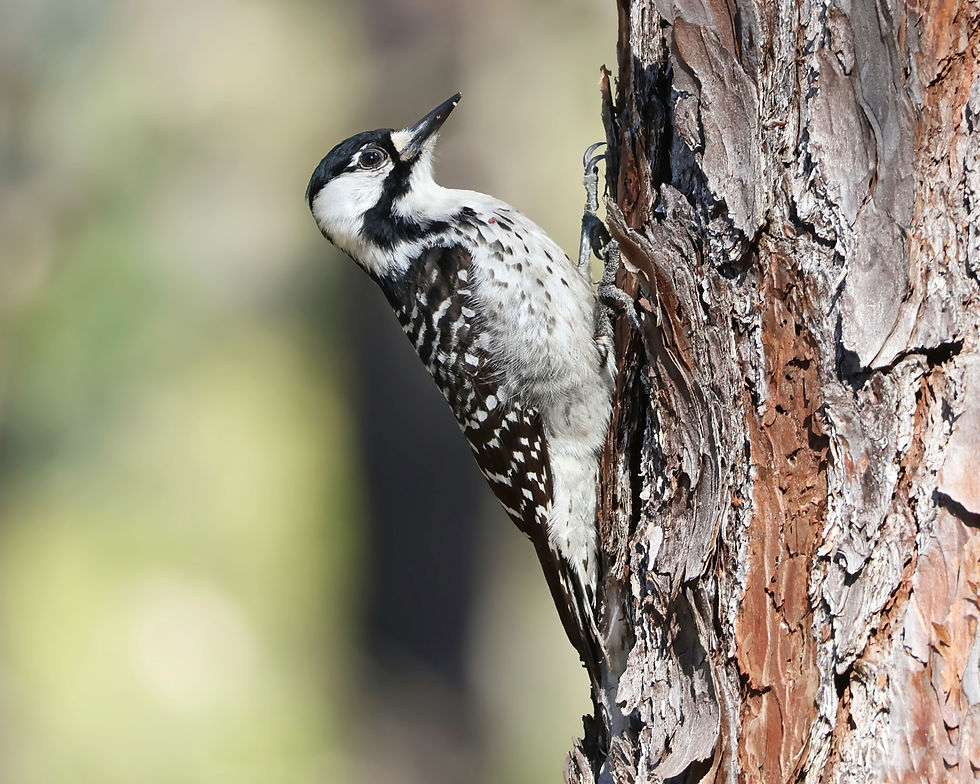
The Red-cockaded Woodpecker is a strong example.
This bird depends on mature, open longleaf pine habitat. It nests in cavities it excavates in living pine trees, often older trees with heartwood decay. It also needs open understory conditions, which historically came from frequent fire.
Protecting Red-cockaded Woodpecker habitat means protecting more than a nest tree. It means protecting a working longleaf pine system.
That can help many other species, including:
Bachman’s Sparrow
Brown-headed Nuthatch
Pine Warbler
Northern Bobwhite
Native groundcover plants
Insects and pollinators
Reptiles tied to open pine savannas
The umbrella effect matters because conservation agencies have limited time and money. Strong protection for one habitat-dependent species can keep an entire natural community intact.
When the definition of “harm” weakens habitat protection, the umbrella shrinks. Agencies may still protect individual animals. But they lose power to protect the system those animals need.
For the Red-cockaded Woodpecker, that distinction is crucial. A cavity tree cannot function if the surrounding forest becomes too dense, fragmented, or converted. A bird may still exist on paper, while the habitat that supports its future disappears.
Habitat protection supports South Louisiana’s economy
South Louisiana’s natural wealth is not separate from its economy. It supports it.
Healthy wetlands, forests, and coastal habitats help sustain:
Recreational fishing
Waterfowl hunting
Wildlife guiding
Birding tourism
Outdoor gear sales
Coastal protection work
Local restaurants and lodging
Community events tied to hunting, fishing, and wildlife
The “sportsman’s paradise” identity depends on living systems. It depends on ducks in the marsh, speckled trout in estuaries, deer in bottomlands, woodcock in moist thickets, and songbirds moving through spring woods.
Birds also signal the health of the places that support fish and game. When marsh birds decline, the marsh may be changing. When pine savanna birds disappear, fire and forest structure may be out of balance. When migratory birds lose stopover habitat, the coast has lost more than trees.
Habitat loss also chips away at culture.

A grandparent teaching a child to identify ducks at dawn. A family stopping at a refuge during migration. A hunter hearing birds move through the dark before legal shooting time. A festival built around crawfish, water, and wildlife. These traditions need land and water that still function.
South Louisiana sells itself to the world as wild, abundant, and deeply tied to nature. Weak habitat protections put that promise in danger.
What habitat preservation looks like on the ground
Habitat preservation does not mean locking every acre away. It means making smarter choices before damage becomes permanent.
For coastal stopover habitat, that can mean keeping native tree lines and shrub cover in place. It can mean avoiding clearing during peak migration. It can mean restoring cheniers, planting native fruiting shrubs, and limiting unnecessary mowing.
For longleaf pine, it can mean prescribed fire, protecting mature pines, managing invasive plants, and keeping forests open enough for species that need sunlight at ground level.
For wetlands, it can mean reconnecting water flow, protecting marsh edges, reducing avoidable disturbance near rookeries, and supporting large-scale coastal restoration.
For working lands, it can mean conservation easements, wildlife-friendly forestry, and planning projects around known habitat.
The main point is simple. Protect habitat before it is gone. Rebuilding it takes years. Some pieces cannot be replaced in a human lifetime.
A mature cavity tree is not created overnight. A chenier forest cannot be restored by planting a few saplings and walking away. A marsh broken into open water may need major restoration work to recover.
Prevention costs less than repair.

FAQ
What changed in the Endangered Species Act definition of “harm”?
The key issue is the treatment of habitat damage. A narrower definition reduces the role of habitat destruction as a form of harm to protected species. That can make it harder to prevent damage before birds are killed, displaced, or unable to breed.
Why does this matter so much in South Louisiana?
South Louisiana holds coastal stopover sites, wetlands, bottomland forests, and longleaf pine habitat. Many birds depend on these places during migration, nesting, wintering, or year-round survival. The region also faces strong pressure from land loss, storms, development, and saltwater intrusion.
What is the umbrella effect?
The umbrella effect happens when protecting one species also protects many others that share the same habitat. The Red-cockaded Woodpecker is a good example because protecting its longleaf pine habitat can also help other birds, plants, insects, and reptiles.
Are migratory birds protected if they only pass through Louisiana?
Many migratory birds receive protection under federal law, but they still need real habitat on the ground. A law cannot help a tired bird if its coastal rest stop has already been cleared.
How can residents help protect bird habitat?
Support conservation groups, keep native trees and shrubs, avoid clearing during nesting and migration seasons, use native plants, support responsible land-use planning, and speak up for strong habitat protections.
Additional FAQ - What the ESA Changes Mean for Louisiana:
Q: Does this new rule cancel existing conservation agreements or current land permits?
A: No. This regulatory rollback is prospective only, meaning it does not apply retroactively. Existing Habitat Conservation Plans (HCPs), Safe Harbor Agreements, and current Incidental Take Permits already issued in Louisiana remain legally binding. Property owners who have already committed to protecting species like the Red-cockaded Woodpecker under past agreements are still required to honor those terms.
Q: Can Louisiana state laws step in to protect these habitats if the federal government won’t?
A: Yes, but with limitations. The Louisiana Department of Wildlife and Fisheries (LDWF) maintains its own list of threatened and endangered species and enforces state-level wildlife protections. However, state laws are often underfunded compared to federal programs and historically rely heavily on the federal Endangered Species Act (ESA) framework to halt major commercial habitat destruction. Without federal backing, local enforcement faces a much steeper uphill battle.
Q: Are there other federal laws that still protect Louisiana’s birds from habitat loss?
A: Yes. Laws like the Migratory Bird Treaty Act (MBTA) and the Clean Water Act still provide critical layers of protection. For instance, the Clean Water Act still regulates the destruction of jurisdictional wetlands, which indirectly saves vital coastal and marsh habitats. However, neither of these laws contains the same sweeping, habitat-specific protections that the original definition of "harm" under the ESA provided.
Q: Is this rule permanent, or can it be challenged?
A: It is already being challenged. Because this shift dismantles nearly 50 years of established environmental policy, a coalition of conservation organizations and state attorneys general have already launched active legal challenges against the federal agencies. The courts will ultimately decide if this definition change violates the core intent of the Endangered Species Act, meaning the legal battle is far from over.
South Louisiana’s natural heritage needs active defense
The fight over the word “harm” is not a technical footnote. It is a fight over whether the law protects wildlife only after damage happens or also protects the habitat that keeps wildlife alive.
South Louisiana has too much at stake to accept weaker safeguards. Birds need coastal rest stops. Woodpeckers need old pines. Ducks need marsh. Communities need the outdoor traditions that shaped this region.
Public pressure, and local stewardship all matter now.
Because habitat destruction itself is no longer federally penalized as an automatic "take," developers and landowners face fewer legal barriers to clearing land, even during active nesting seasons! This directly translates to an influx of displaced, orphaned, and injured birds.
Filling the Conservation Gap: Organizations like For the Birds of Acadiana are no longer just treating injured birds; we are actively keeping local avian populations viable. When the legal safety net thins out, our physical safety net is what stands between an injured or orphaned bird and survival.
Support the work to protect birds and habitat in Acadiana and beyond by supporting For the Birds of Acadiana. Keep the pressure on. Protect the places birds need before they disappear.

216-220 Cambridge Dr.
Lafayette, LA 70503
337-501-4523
Stay informed about our latest rehabilitation efforts and get behind-the-scenes updates on our work with avian wildlife. Subscribe to our FREE V.I.B (Very Important Bird) list today and soar with us in making a difference! https://www.forthebirdsofacadiana.com/vip-list


