The Resilience of Black-necked Stilts in Louisiana and the Vital Role of For The Birds of Acadiana
- Dec 9, 2025
- 4 min read
The Black-necked Stilt is one of Louisiana’s most striking shorebirds, known for its long, slender legs and contrasting black-and-white plumage. These elegant birds thrive in the wetlands and coastal marshes of the region, playing an important role in the local ecosystem. Yet, their habitats face increasing threats from coastal erosion, putting their survival at risk. This post explores the habitats and behaviors of Black-necked Stilts in Louisiana, the impact of environmental changes on their populations, and the remarkable work of For The Birds of Acadiana in protecting and fostering these birds.

Habitats of Black-necked Stilts in Louisiana
Black-necked Stilts prefer shallow wetlands, including salt marshes, mudflats, and the edges of lakes and ponds. Louisiana’s extensive coastal wetlands provide ideal conditions for feeding and nesting. These birds rely on the abundance of aquatic invertebrates, small fish, and crustaceans found in these habitats.
Salt Marshes and Coastal Wetlands: These areas offer rich feeding grounds where stilts use their long legs to wade through shallow water, picking prey from the surface or just below.
Freshwater Marshes and Ponds: Stilts also inhabit freshwater environments, especially during breeding season, where they build nests on small islands or patches of bare ground.
Mudflats and Shorelines: Exposed mudflats during low tide are prime foraging spots, providing access to a variety of invertebrates.
The availability of these habitats is crucial for the stilts’ survival, especially during breeding when they need safe nesting sites free from predators and flooding.

Behaviors of Black-necked Stilts
Black-necked Stilts are known for their distinctive behaviors, which help them thrive in their wetland environments.
Feeding: Stilts use a combination of sight and touch to catch prey. They often walk slowly through shallow water, stabbing or picking food with their thin, pointed bills.
Nesting: They build simple nests on the ground, often just a shallow scrape lined with vegetation or shells. Both parents share incubation duties and protect the chicks fiercely.
Social Behavior: Stilts are generally social birds, often seen in small groups or loose colonies, especially during migration or in wintering areas.
Flight: Their long legs trail behind them in flight, and they often fly low over water or marshes, making them a graceful sight.
These behaviors are finely tuned to their wetland habitats, but changes in these environments can disrupt their life cycles.

The Impact of Coastal Erosion on Black-necked Stilts’ Environments
Louisiana’s coastline is one of the fastest eroding in the United States. Coastal erosion results from a combination of natural processes and human activities such as levee construction, oil and gas extraction, and rising sea levels. This erosion threatens the wetlands that shorebirds like Black-necked Stilts depend on.
Loss of Nesting Sites: As marshes and islands erode, stilts lose safe places to lay eggs and raise chicks. Flooding and storm surges can wash away nests.
Reduced Food Availability: Erosion changes the composition of wetlands, often reducing the abundance of invertebrates and small fish that stilts feed on.
Increased Predation: Habitat loss forces stilts into smaller areas, making them more vulnerable to predators.
Displacement: Some stilts are forced to move to less suitable habitats, which can affect their breeding success and survival.
The ongoing loss of coastal wetlands poses a serious challenge to the resilience of Black-necked Stilts in Louisiana.



For The Birds of Acadiana’s Role in Protecting Black-necked Stilts
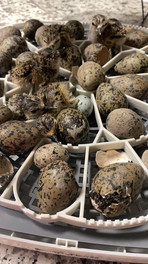
For The Birds of Acadiana, a supporter-funded non-profit organization, has made a remarkable impact this year by fostering and releasing nearly 40 displaced Black-necked Stilts from eggs. This achievement is rare and highlights the organization’s dedication to wildlife conservation.
Egg Fostering: The team carefully incubates and raises stilts hatched from eggs found in vulnerable or destroyed nests, giving these birds a second chance at life.
Rehabilitation and Release: After fostering, the young stilts are released back into suitable habitats, helping to bolster wild populations.
Education and Awareness: The organization educates the public about the importance of wetland conservation and the threats facing local wildlife.
Community Support: As a non-profit, For The Birds of Acadiana relies entirely on public donations to fund their work, including rescue, rehabilitation, and habitat preservation efforts.
Their success with Black-necked Stilts this year demonstrates how focused conservation efforts can make a real difference for vulnerable species.
How You Can Support For The Birds of Acadiana
Supporting For The Birds of Acadiana helps protect Black-necked Stilts and other wildlife that depend on Louisiana’s fragile ecosystems. Donations fund critical activities such as rescue operations, habitat restoration, and educational programs.
Make a Donation: Contributions of any size help cover costs for food, medical care, and equipment needed for fostering and rehabilitation.
Spread Awareness: Sharing information about the organization’s work encourages more people to get involved.
Volunteer: Opportunities may be available for hands-on help with bird care or community outreach.
Advocate for Wetlands: Supporting policies and initiatives that protect coastal wetlands benefits stilts and many other species.
By supporting For The Birds of Acadiana, you help ensure that Black-necked Stilts continue to thrive despite the challenges they face.